

Five Big Ideas For Shooting a Video About Someone’s Life Change
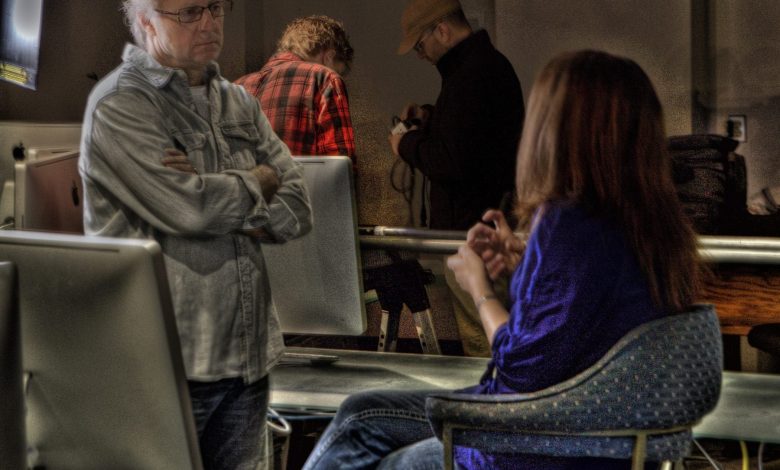
No matter what video projects you produce, sooner or later you’ll shoot someone’s testimony about how their life was changed. It might be due to God, an experience at church, being the recipient of a nonprofit’s work, or even a consumer product – but whatever it is, it can be a powerful moment on camera. If you’re shooting videos like this for a church, nonprofit, or business, here’s the most important keys to making it work:
1) To make them most natural, ease into rolling video. Once you sit them down to shoot, whatever you do, don’t let anyone yell “Rolling!” or “Action!” They’ll immediately clam up and get nervous. With my crew, we’ve created some nonverbal signs that let me know they’re ready and rolling, and we just transition into the interview. I’ve actually finished some interviews where the people had no idea we’d been rolling.
2) Make sure the interviewer sits as close to the camera lens as possible. You want the interviewee looking as directly at the camera as possible. Profiles have no power. Make sure you’re seeing their entire face.
3) If you plan to let the interviewee tell their story with no narrator, ask them to answer in complete sentences. Don’t make a big deal out of it, or they’ll get nervous. Just mention casually that they’ll eventually cut your questions out of the interview, so you need them to answer in full sentences. No “yes” or “no” answers.
4) Keep your crew small, and keep them from walking around and being a distraction. It’s especially important to keep people from standing in the line of sight of the interviewee. You’ll be dealing with some emotional issues, and you don’t want anything to distract them.
5) Be engaged. If you’re asking the questions, don’t make it a Q&A, make it a conversation. If you want real, emotional answers, then don’t be formal or structured. Have a normal conversation.
6) If you’re asking the questions – be editing the interview in your head as you go. Don’t make notes, but think about how it will go together, if you have everything you need, and what’s missing. If you need to, circle around and ask a key question again in a different way.
7) Finally, make sure the crew is sensitive to what’s happening so they don’t stop the interview unless it’s absolutely necessary – especially if you’re in an emotional point. Make sure they’re watching the battery, video time, and anything else so you can stop in an appropriate moment, and not have to stop at the exact moment you’re getting the best responses.
When you’re shooting a testimony, you have the rare opportunity for someone to speak from their heart about how your message, organization, or product transformed their life. So follow these steps and take it seriously. It could make a dramatic difference in the response of your audience, congregation, donors, or investors.
Phil Cooke, PhD. has been called “one of the most innovative communicators of our generation.” As a media producer, writer, speaker, and consultant, his client list includes major film studios and TV networks as well as major Christian organizations like Voice of the Martyrs, The Museum of the Bible, The Salvation Army, and others. He’s also coached and consulted with many of the most influential churches and nonprofit organizations in the world, helping them use media to tell their story. You can hear his podcast here.


